Türkçe
 English


In aesthetic dentistry, smile design is a multidisciplinary treatment concept aimed at achieving the most suitable dental aesthetics for the patient’s facial anatomy, lip dynamics, and biological limits. Rather than merely changing the color or shape of the teeth, this process is a comprehensive design effort in which "pink aesthetics" (gingival levels) and "white aesthetics" (tooth structure) are blended in harmony.
The success of smile design depends on the accuracy of the clinical data obtained and detailed planning. The digital workflow (Digital Smile Design - DSD), which has replaced traditional methods, maximizes the predictability of treatment.
The process begins with taking high-resolution digital photographs and video recordings of the patient in resting, speaking, and maximum smiling positions. At the same time, digital impressions obtained with intraoral scanners are transferred to the computer environment. Through millimetric analyses performed on this data, midline alignment, the occlusal plane (chewing plane), lip support, the width-length relationships of the teeth according to the golden ratio (zenith points), and gingival margins are determined.
The most critical point of the planning stage is being able to show the patient the final result before the procedure. For this purpose, the temporary "mock-up" material prepared with 3D printers is applied to the teeth (without any cutting). The patient evaluates the harmony of the new smile with the face in the mirror or in video recordings, as well as the phonetics during speech. Once agreement is reached between the dentist and the patient, surgical or prosthetic procedures are carried out.
In an ideal smile, the gums should be symmetrical, healthy, and at the correct level. In cases of asymmetric gingival levels or "Gummy Smile" (excessive gum display when smiling), gingivectomy (gum removal) and gingivoplasty procedures are performed using a diode laser or electrocautery. When necessary, intervention at the bone level (crown lengthening surgery) preserves the biological width and ensures symmetry.
Once gum health and symmetry are achieved, the prosthetic stage addressing the form and color of the teeth begins. The main methods applied according to the patient’s indication are as follows:
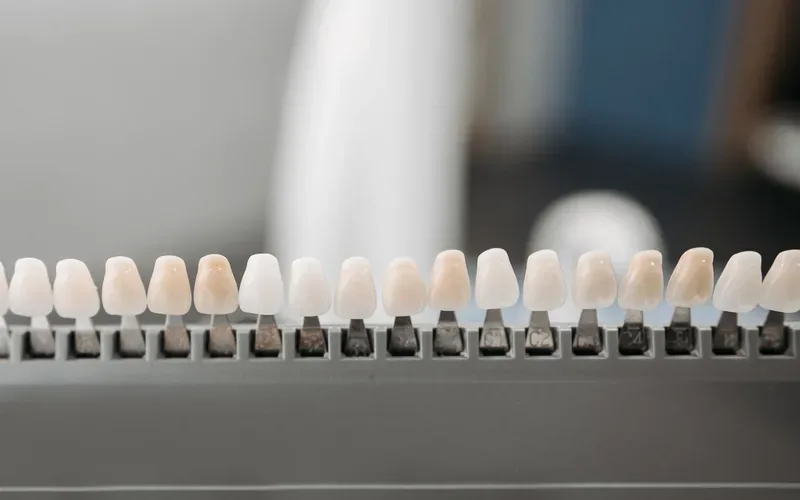
Porcelain Laminate Veneers: This involves bonding e.max or feldspathic ceramics after minimal preparation of only the front (labial) surfaces of the teeth by 0.3 - 0.7 mm. They are restorations with the highest light transmission and are tissue-friendly.
Zirconium Crowns: In teeth with significant substance loss, discoloration, or crowding that cannot be corrected with veneers, full crowns with a zirconium substructure, offering high strength and aesthetics, are preferred.
Composite Bonding: This is a conservative method generally performed in a single session, without removing tooth structure, to close diastemas (gaps) or make minor shape changes using nanohybrid composite resins.
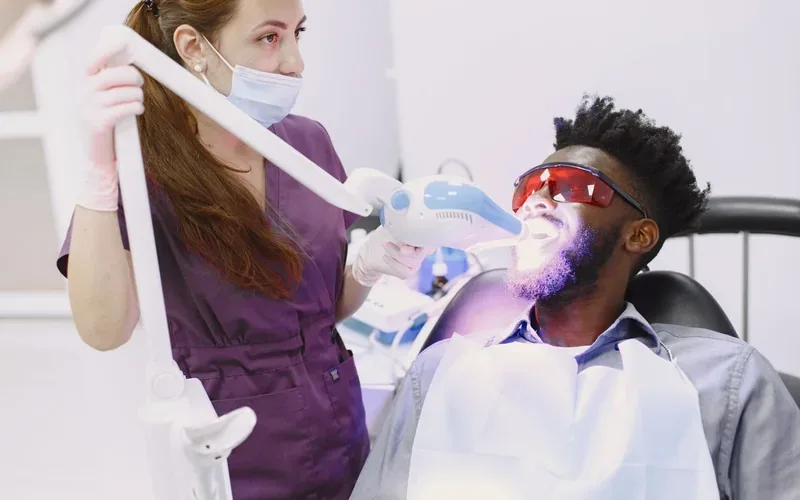
Bleaching: In teeth without form or alignment problems, 2-3 shades of lightening are achieved by activating in-office whitening gels with light sources.
When smile design is carried out in accordance with biomechanical principles without compromising function and phonetics, it provides a lasting and positive effect on the patient's quality of life. A successful design aims for a natural aesthetic that avoids artificiality, integrates with the patient’s facial features, and does not give the impression of being "done".
Let us take a look together and go over your treatment options. Feel free to call us with any questions.