Türkçe
 English

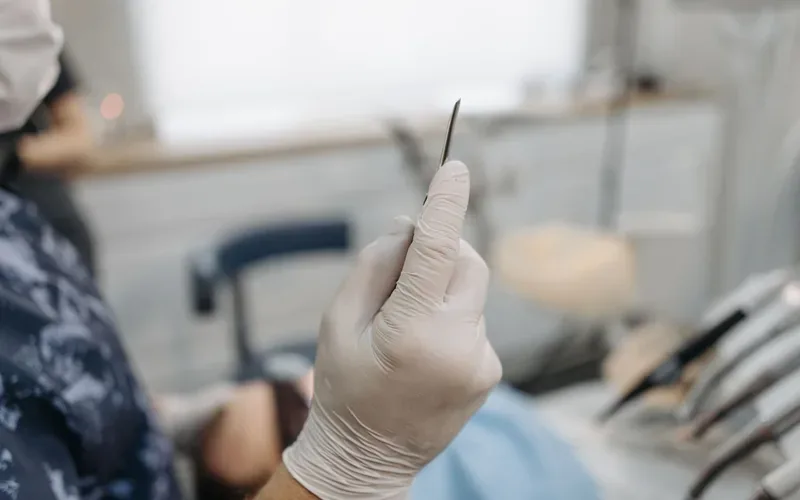
In our clinical practice, one of the most frequently used conservative (protective) procedures for aesthetic purposes is teeth whitening (bleaching). Although it is generally perceived in society as a cosmetic procedure, teeth whitening is a chemical oxidation process and must be performed under a physician's supervision in accordance with the indication. It is based on breaking down the pigments that cause discoloration, without causing any structural loss (wear) in the enamel layer on the tooth surface.
Before determining the whitening protocol, identifying the source of the discoloration (intrinsic or extrinsic) is the first rule of clinical success.
Extrinsic Discolorations: These are pigments that adhere to the enamel surface as a result of tobacco use, and the consumption of chromogenic (staining) foods such as strong tea/coffee and red wine. These stains are generally removed to a great extent with polishing and scaling (dental calculus cleaning); whitening is applied for the remaining persistent pigmentation.
Intrinsic Discolorations: These are stains that have penetrated the tooth's dentin layer or formed developmentally. Febrile illnesses experienced in childhood, tissue bleeding within root canal-treated teeth after trauma, or the use of tetracycline group antibiotics fall into this group. Treatment of intrinsic discolorations requires more intensive chemical agents.
Teeth whitening is evaluated under two main headings depending on the concentration of the agent used and the application setting:
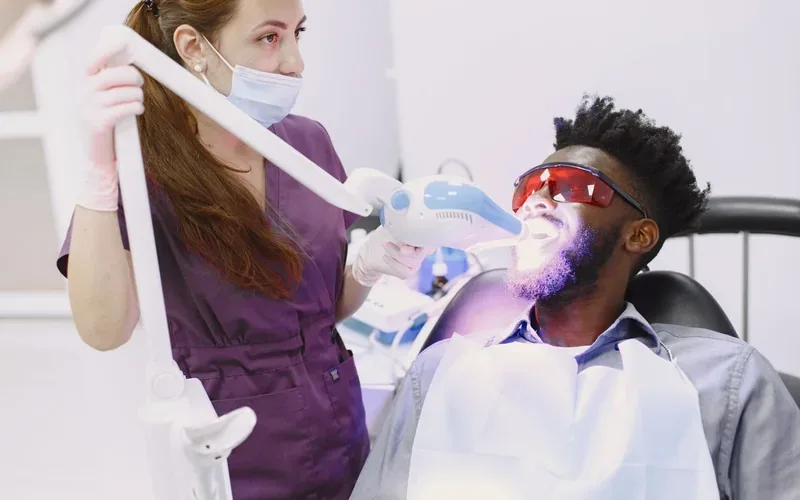
This is the fastest and most controlled method, applied directly by the dentist in a clinical setting.
First, a "gingival barrier" (protective gel) is applied and light-cured to protect the gums from chemical burns.
Gels containing high-concentration (between 25-40%) hydrogen peroxide or carbamide peroxide are applied to the tooth surfaces.
These gels are activated with special LED, halogen, or laser light sources to accelerate the reaction. Depending on the target shade, the procedure is repeated 2 or 3 times in 15-20 minute intervals in the same session.
This method uses lower-concentration (10-16%) carbamide peroxide gels through custom-made transparent trays prepared from impressions taken in the clinic. According to the protocol determined by the dentist, the patient wears the tray for an average of 4-8 hours a day (usually during night sleep). The process is completed within 10 to 14 days.
In stubborn discolorations, the "combined bleaching" protocol, in which both methods are used together, is preferred.
Bleaching agents (hydrogen peroxide) pass through the enamel prisms and reach the dentin layer. There, they oxidize large carbon-ring macromolecules (chromophores) that cause discoloration, breaking them down into smaller, colorless molecules that reflect light. This chemical reaction does not damage the anatomical structure of the tooth.
However, this increased permeability can affect the fluid flow in the dentinal tubules during the procedure and in the first 24-48 hours afterward, causing temporary tooth sensitivity (aching in response to thermal stimuli). This is a physiological and expected side effect. Desensitizing agents containing fluoride or potassium nitrate applied by the dentist help make this process more comfortable.
The first 48 hours after the procedure are the "white diet" period, when the risk of pigments re-adhering to the teeth is highest; during this period, all staining factors such as tea, coffee, tomato paste, and cigarettes should be strictly avoided.
Let us take a look together and go over your treatment options. Feel free to call us with any questions.