Evidence-based information about how Yıldırım smile design procedures in Bursa are planned, which treatment steps they include, and the gum aesthetics process.
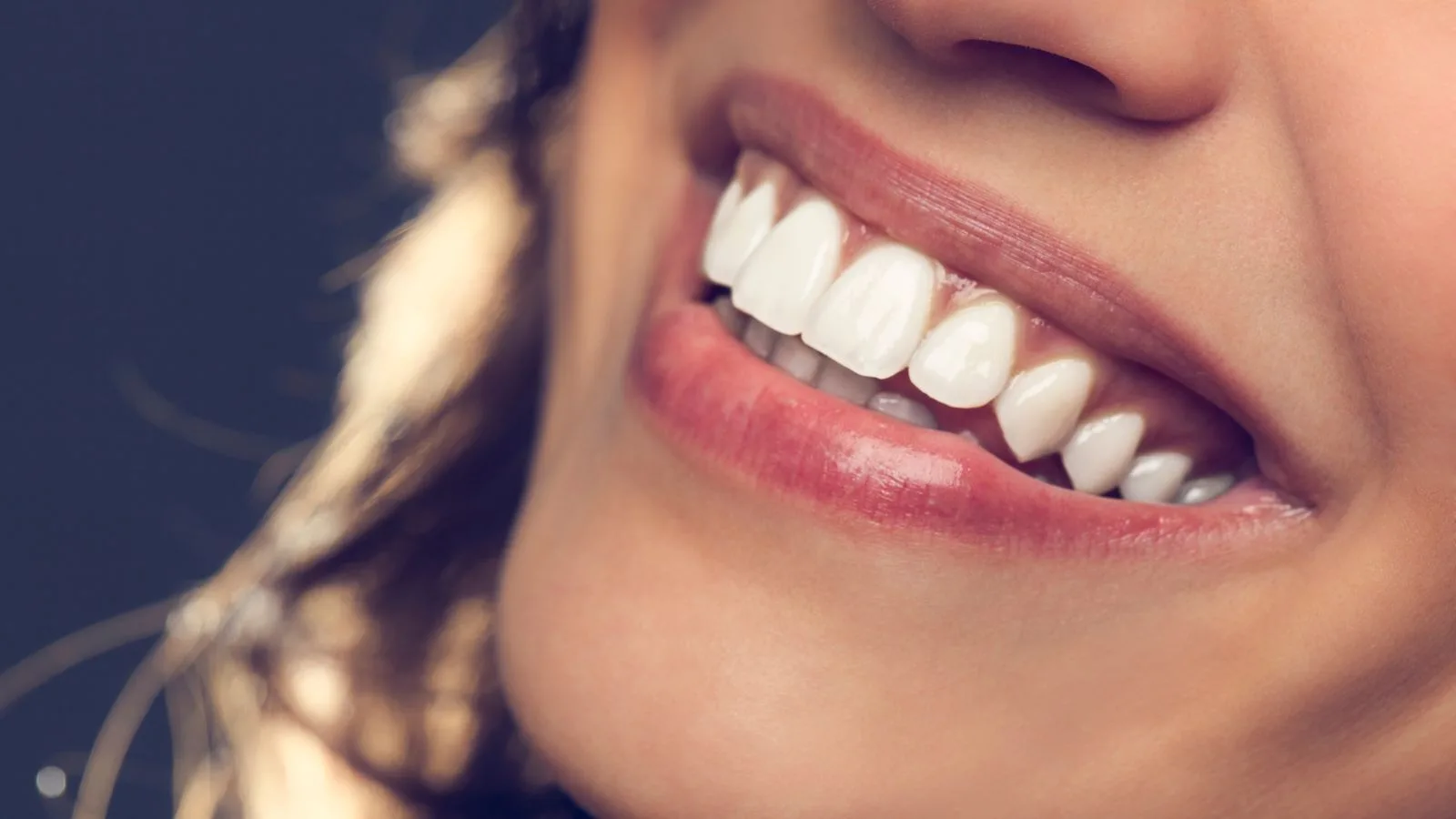
Yıldırım Smile Design: Contemporary Approaches Integrating Aesthetics and Function
Oral and dental health is not only a system that meets individuals' biological needs; it is also a structure that directly affects communication skills in social life, facial expression, and overall self-confidence. Scientific advances in dentistry aim not only to resolve patients' chewing problems but also to ensure the anatomical harmony of the teeth with facial features. The color, size, alignment of the teeth, and the level of the gums determine the character of a person's smile. Smile design procedures carried out in well-equipped healthcare institutions in the Yıldırım district of Bursa aim to build a personalized and completely natural-looking oral structure while respecting the patient's biological limits. This detailed guide addresses the medical foundations of the smile design process, the current methods used, and the dynamics of recovery in a transparent language in compliance with Ministry of Health regulations.
Smile design is not the name of a single procedure or a fixed template. It is a multifaceted process in which different disciplines of dentistry (orthodontics, periodontology, prosthetic dental treatment, and oral and maxillofacial surgery) come together under the same planning framework. It is carried out by taking into account many biometric reference points such as the patient's facial structure, lip thickness, chin position, and even the distance between the pupils.
The goal is definitely not to make everyone the same type of standard, artificial-looking teeth. Designing angular and pointed teeth for a person with round facial features disrupts the overall harmony of the face. Likewise, using restorations that protrude excessively in a patient with thin lips may lead to occlusion problems. For this reason, the design process is carried out through a completely personalized algorithm based on the patient's age, gender, lip movements during speech, and chewing habits.
Individuals may need the smile design process due to various structural problems in the mouth. Yıldırım smile design planning is generally applied when one or more of the following clinical conditions are present together:
Structural Color Changes: Deep discolorations embedded in the inner layers of the tooth due to antibiotic use, excessive fluoride intake, or aging, which cannot be removed with normal brushing or simple whitening procedures.
Gum Irregularities (Gummy Smile): A condition in which the gums show much more than normal when speaking or smiling, or the gum margins form an asymmetric line.
Crowding and Spaced Teeth: Tooth rotations due to insufficient space in the jawbone or, conversely, the presence of noticeable gaps between teeth (diastema) that impair aesthetics.
Loss of Substance and Wear: Shortening of tooth length due to the habit of grinding teeth at night (bruxism), wearing down of the enamel layer and exposure of the yellow dentin layer underneath, or fractures caused by trauma.
Incompatible Old Restorations: The presence of old crowns and fillings made years ago that have lost gum adaptation, developed black/gray lines at the margins, or lost their form.
A successful design is based on applying the specific treatments the patient needs in the correct sequence. The treatment plan is prepared according to minimal invasive principles, aiming to preserve tooth tissue at the highest possible level.
These are very thin ceramic shells applied by removing a microscopic amount (0.3 - 0.7 mm) from only the front (lip-facing) surfaces of the teeth. In some cases, they can even be applied without any tooth reduction at all (prepless laminate). Because their light transmittance is extremely close to that of natural enamel, it is impossible to tell from the outside that the restoration is artificial. They are resistant to staining and do not change color with tea, coffee, or smoking.
They are preferred to provide durability in weak teeth with excessive tooth substance loss, previously large fillings, or root canal treatment. Zirconium, which contains no metal, is a material with very high tissue compatibility. It does not cause allergic reactions or grayish reflections at the gum margin. It offers a structure strong enough to withstand chewing pressure in posterior teeth and aesthetic enough to be used in anterior teeth.
Harmony inside the mouth cannot be limited to teeth alone (white aesthetics). The health and level of the gums framing the teeth (pink aesthetics) are equally important. If there is inflammation, bleeding, or swelling in the gums, these conditions are treated first. Then, gums that are asymmetric or make the teeth look shorter are reshaped painlessly with the help of special laser devices or electrocautery. This procedure reveals the true size of the teeth and adds depth to the smile.
If the patient has no structural defect in tooth form and only has alignment and color problems, the teeth can be corrected with clear aligners (braceless orthodontics) without touching the tooth tissue at all. Then, the desired brightness can be achieved with safe whitening (bleaching) procedures applied in a clinical setting.
The greatest comfort modern dentistry offers patients is being able to concretely see the result of treatment before any procedure has been performed on the teeth. In well-equipped clinics in the Yıldırım area, this process is carried out flawlessly through digital workflows.
In the first session, the patient's mouth is transferred to the computer environment with special three-dimensional scanners. Photo and video recordings taken from different angles are integrated into this digital model. Taking the patient's expectations into account, the dentist creates a millimetric design on specialized software. This virtual design is then transformed into a physical mold (silicone index) using 3D printers.
In the trial stage called a "mock-up," a temporary material is placed on the teeth using this mold. When the patient looks in the mirror, they experience the finished version of a treatment that will take months or weeks right on their own face. Lip support, tooth lengths, and phonetic harmony during speech are tested in this session. Once the patient and dentist agree, permanent procedures begin.
According to the Ministry of Health's regulations on information and advertising, healthcare services cannot be marketed like commercial products, and patients cannot be given false guarantees that promise definite results. Each individual's bone density, gum healing rate, immune system, and anatomical limits are different.
In this context, the smile design process should not be perceived as a miracle or a magic wand that requires no lifelong maintenance. All restorations applied by the dentist, just like natural teeth, require daily care (proper brushing, interdental cleaning, and flossing). Patients with a teeth-grinding problem must use a protective splint (night guard) during sleep for the treatment to last. In addition, routine dental check-ups every six months both extend the life of the procedures performed and make it possible to resolve potential problems before they grow.
Bursa Yıldırım smile design procedures are a delicate medical process where art, engineering, and biology come together. Creating a healthy oral structure that is in harmony with an individual's facial features and supports chewing and speech functions directly improves quality of life. At the core of these processes initiated for aesthetic concerns is always the preservation of the patient's long-term tissue health. Thanks to current technologies in dentistry, even individuals who are afraid of dental treatment can achieve the healthy oral structure they desire through highly comfortable and painless sessions. The most important thing to remember is that these treatments will preserve their value for years only when supported by personal oral hygiene habits. To learn the most accurate information about the process and the treatment plan tailored to you, meeting with a qualified dentist in a clinical setting is the healthiest step to take.
Let us take a look together and go over your treatment options. Feel free to call us with any questions.
 Türkçe
 English